






Gas or electric water heater for a Hawaii home

Once you send the form, finding a pro is off your list.

Hand off my installation

Should I get a gas or electric water heater in Hawaii?

You're replacing a water heater, or putting one in for the first time, and you've seen both gas and electric models at the store. Most homes in Hawaii already run on electricity, so the choice feels like it should be simple. But electricity here costs more than almost anywhere else in the country, and a water heater runs year round whether or not you ever turn on the heat.

Electric is the one most homes here already use

Gas water heaters usually cost less to run, but that only matters if gas is already set up at your house. Most homes in Hawaii wire for electric water heating from the start, and no gas line means a gas unit comes with the cost of running one, not just buying one. Electric water heaters also don't need a flue, so the install is simpler in a home that was never built for gas. If your home already has a gas line for a stove or dryer, running a water heater off it can bring down a bill that electric rates make expensive. If it doesn't, electric stays the straightforward choice.

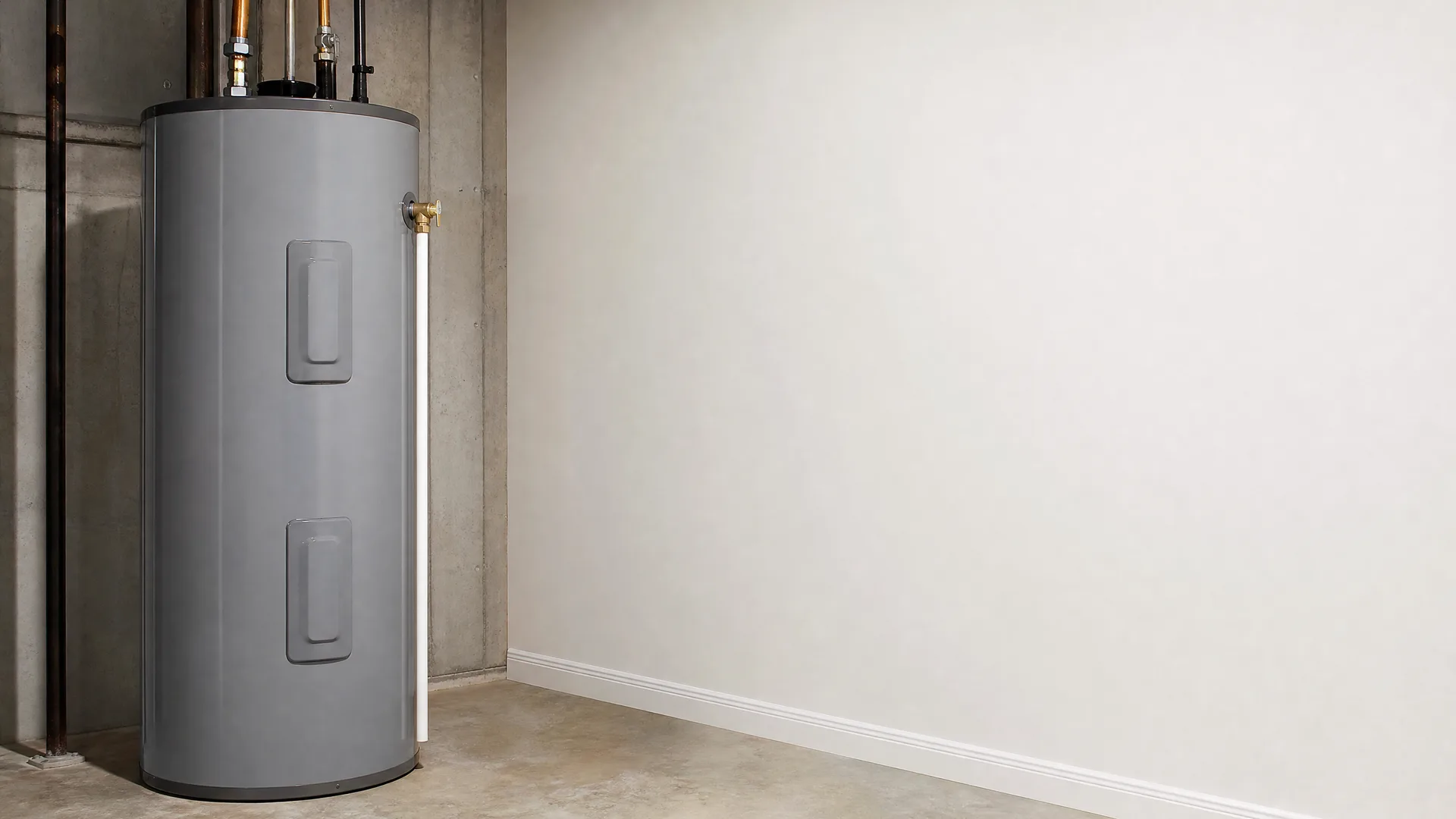
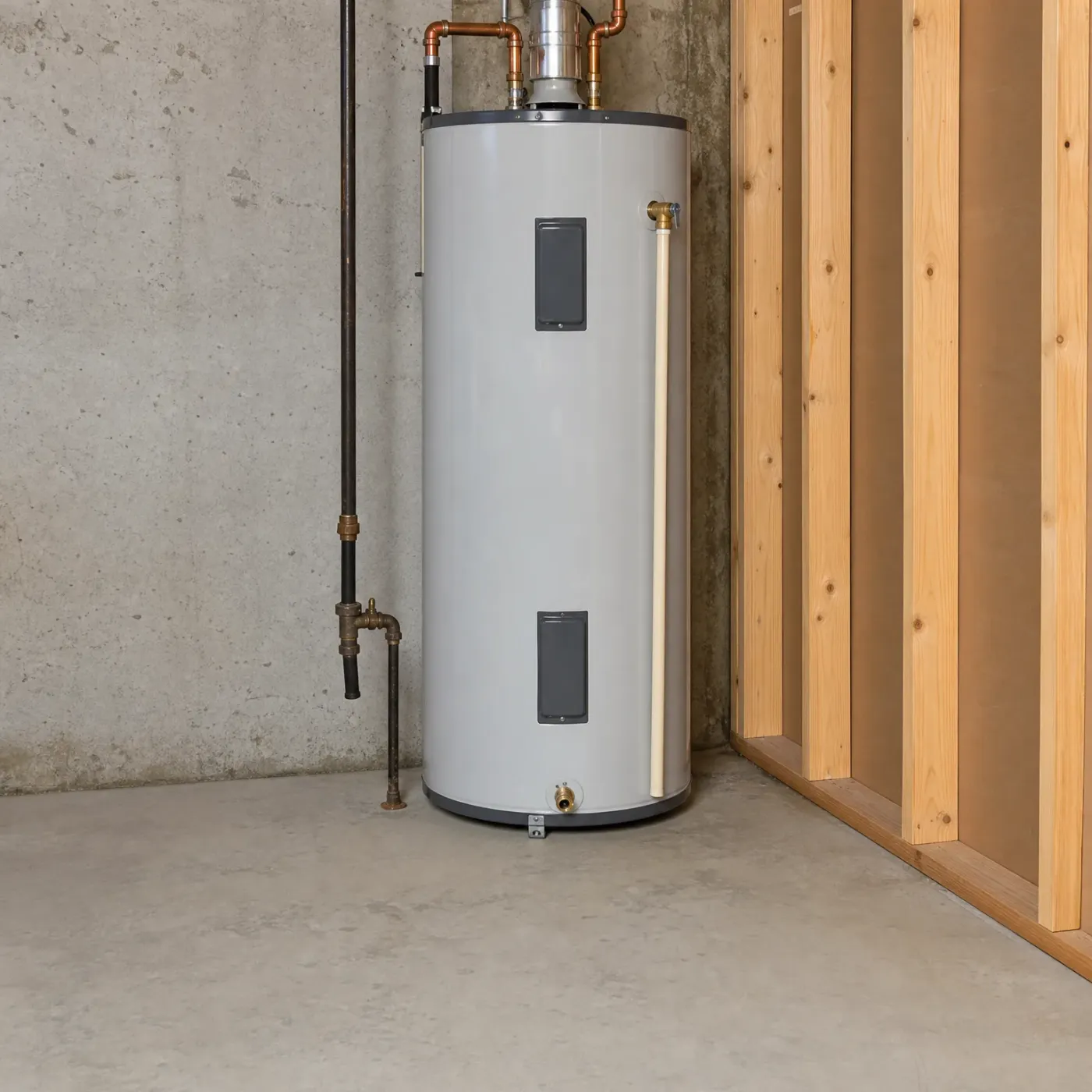
A gray cylindrical electric water heater with two access panels stands in a corner of a room with a concrete floor, connected to overhead pipes and a white drain pipe, beside a plain light-colored wall.

Why electric fits most homes here

A gas water heater needs a gas line run to it, and most houses in Hawaii were never built with one going to the water heater closet. Adding gas service means trenching, piping, and a permit, on top of the heater itself. An electric water heater uses the wiring already in place. That's the main reason electric is the default here, not a preference for one over the other.

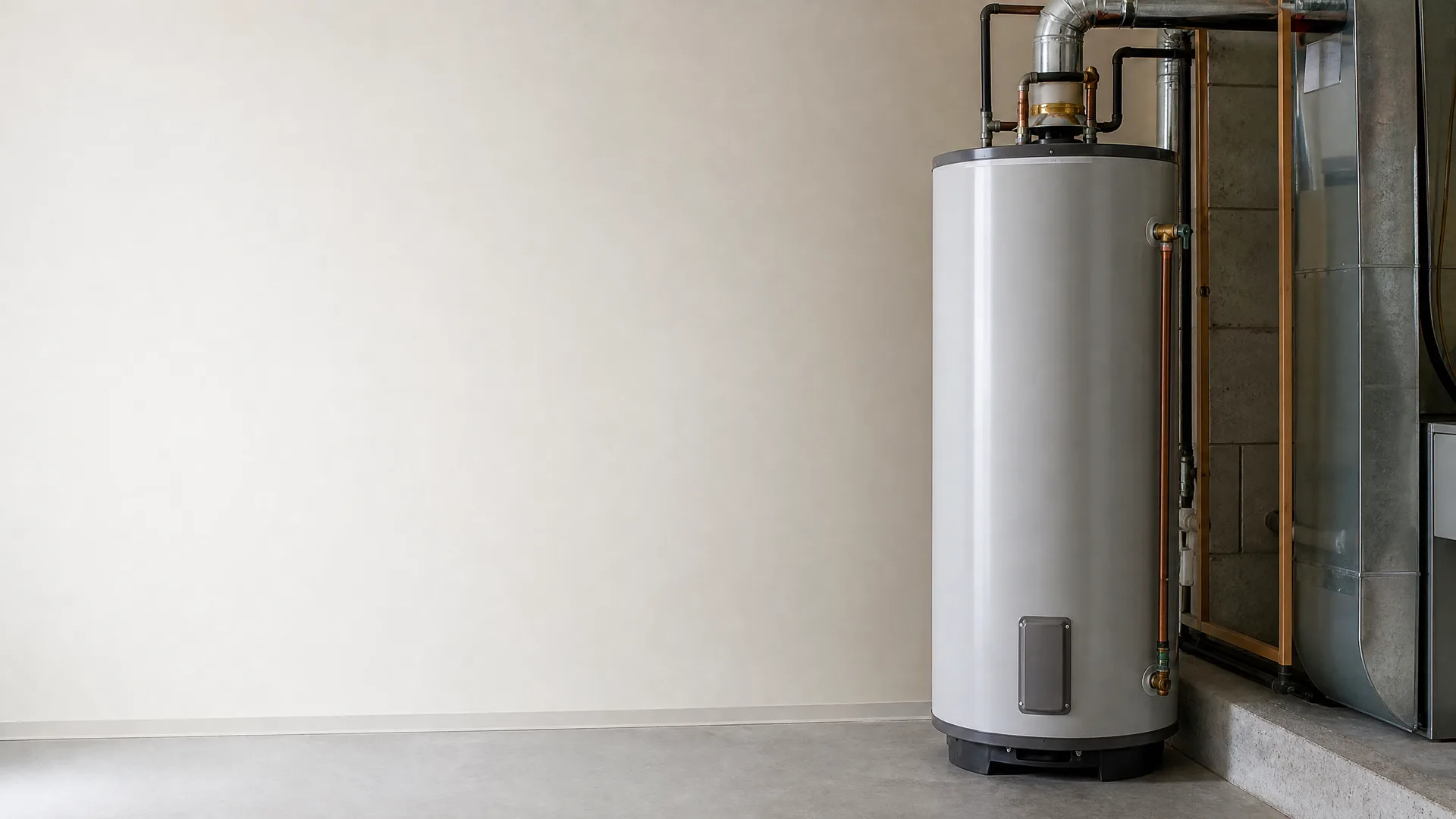
A tall cylindrical water heater with copper and metal pipes at its top stands against a plain beige interior wall on a concrete floor, beside ductwork and a raised concrete step.

What that electric bill is paying for

Power in Hawaii costs more per kilowatt-hour than almost anywhere else in the country, and a water heater runs on it every day of the year, not just through a hot or cold stretch. That makes the size of the tank and its insulation matter more here than the gas-versus-electric question alone. A unit sized to the household, installed correctly, is what keeps that monthly number from climbing higher than it has to.

A closed dark laptop and a ceramic mug of coffee on a wooden dining table, with wooden chairs, a dark kitchen cabinet with cutting boards and a potted plant, and a leafy plant by a window in the background.

What this means for your water heater closet

If your water heater sits in a small closet off the lanai or hallway, that space already tells you something. No gas line coming into it means an electric replacement goes where the old one sat, same connections, nothing new to run. A gas unit would mean opening that wall up to get fuel to it, and in a lot of Hawaii homes there's no easy path for that pipe to take.

With power costs what they are here, the model you pick matters more than it would somewhere else. A standard electric tank costs more to run every month than a heat pump water heater does, and over years in a hot closet that difference adds up. Either way, you're left comparing installers, checking who's licensed, and figuring out who answers the phone. Send the form once and that search is done. You get matched with someone local who handles the rest.

Interior corner of a room with a window and sheer curtain at left, a gray upholstered sofa with a cushion at right, and a round wooden table holding stacked books and a round vase with an olive branch.
A man in a blue sweatshirt reclines with closed eyes in a brown leather armchair in a living room with a bookshelf, houseplant, sofa, window, and a side table holding newspapers and a dark mug.
A bearded man in a gray pullover reclines with closed eyes on a brown leather sofa in a sunlit room with a window, framed picture, potted plant, and a wooden cabinet holding papers and a dark mug.
A man in a gray sweater leans back with closed eyes in a brown leather armchair beside a wooden side table holding a dark mug and a folded newspaper, with bookshelves and a window seat behind him.
A man in a green sweater reclines in an armchair with his eyes closed and a slight smile, beside a window with plants, a small table holding a mug and folded newspaper, and bookshelves behind him.

Done looking for a water heater pro

Explain the job once and skip repeating it on every call.

Sending the form costs nothing.

If gas service already runs to your house

Some homes in Hawaii do have gas, usually propane from a tank rather than a utility line, for the stove or a dryer. If that line already reaches the water heater closet, a gas water heater is worth weighing. Gas heaters recover faster, so a full tank refills sooner between showers or loads of laundry. They keep working in a power outage, which matters if outages happen where you live. Against that, you're paying for propane on top of the electric bill that still runs everything else in the house, and a gas water heater needs a vent for exhaust, which not every closet has room for. If your gas line stops at the kitchen, running it further to the water heater is its own project, separate from the heater itself.

Weighing it against your electric bill

Electric rates in Hawaii are among the highest in the country, and a water heater runs most days of the year. That's the real cost of staying electric: a tank that cycles on repeatedly, every month, for as long as you own the house. A gas heater trades that recurring draw for a propane bill instead, and propane in Hawaii isn't cheap either, so the switch isn't a clean win on cost alone. What it changes is which bill carries the load. If your electric bill already runs high from air conditioning or anything else that draws power, shifting the water heater off it is one way to bring that number down, even if the propane bill picks up part of the difference.

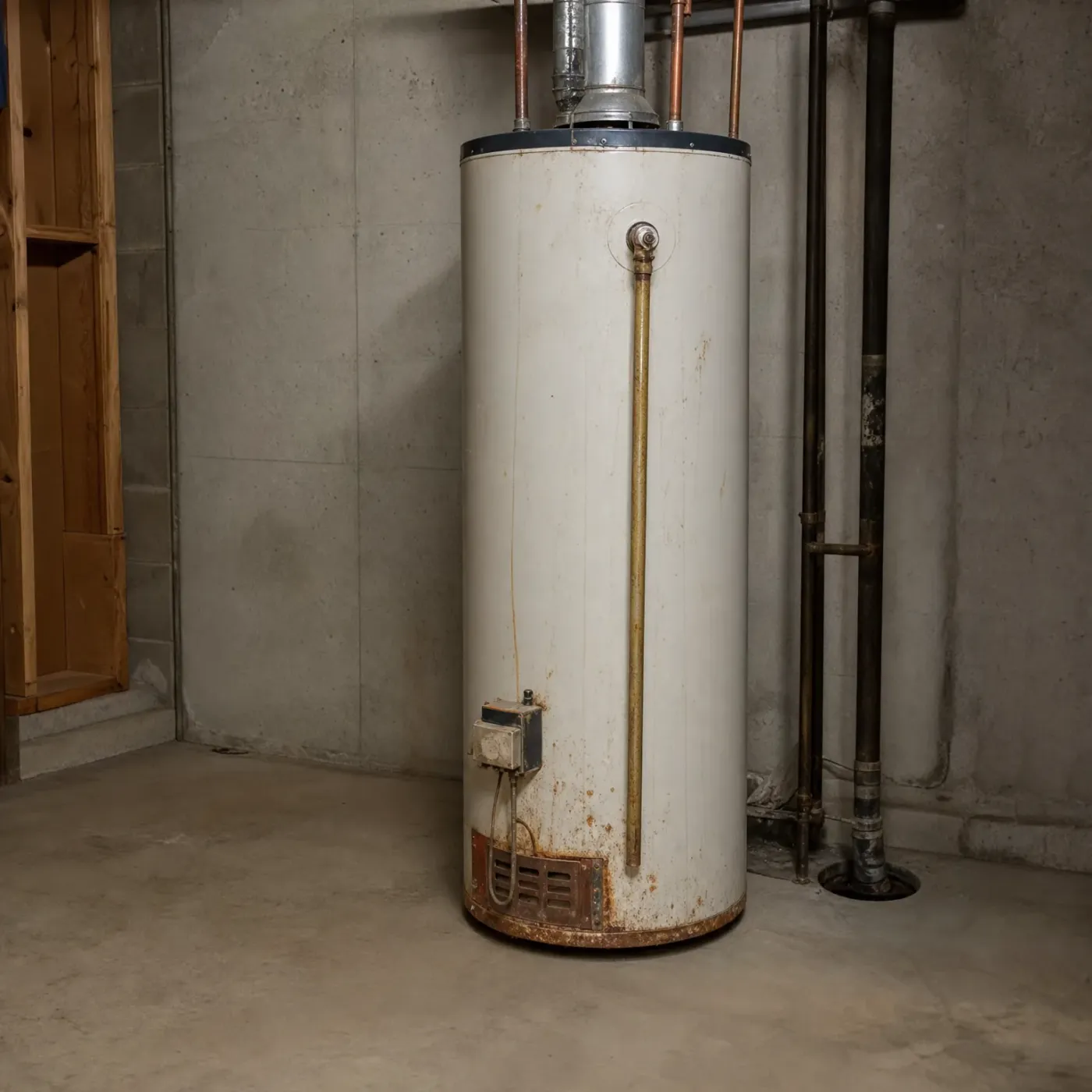
An older white gas water heater with rust staining and an exposed vertical pipe stands against a concrete block basement wall, with a metal flue above and black vertical pipes to the right.
Before you get your water heater installation
A light gray cylindrical water heater with two access panels stands on a concrete floor against a concrete wall, with copper and black pipes beside it and an unfinished wood stud wall to the right.
After you get your water heater installation

What electric costs you to run

Power in Hawaii runs higher than almost anywhere else in the country, and an electric water heater draws on that rate every time it heats a tank of water. You'll feel that most on the bill, not on install day. A heat pump water heater pulls less power than a standard electric tank and is worth asking about for that reason. Either way, the unit itself is simple to source and simple to hook up where an electric one already sits, which keeps the install side straightforward even as the running cost stays tied to your electric rate.


What gas saves you monthly

A gas water heater heats water for less than an electric one does, month to month, because propane here hasn't climbed the way electricity has. That's the appeal if you already have a line run for your stove or dryer. But that saving only applies once the gas line reaches the closet. Without it, you're paying to bring gas service to a spot that may never have had it, on top of the heater, and that cost can erase years of the lower monthly bills before they start.

43.1% of homes statewide heat with electricity

Most houses in Hawaii already have the wiring an electric water heater needs, because that's how the state's homes are built and powered. Yours is likely one of them. That's why electric usually means a straight swap instead of new gas line work.

ACS 2020-2024 5-year B25040

A gray-haired man with a beard in a blue button-placket shirt reclines on a couch with his eyes closed, beside a sunlit window with a green plant.
A woman in a cream knit sweater sits in an armchair with her eyes closed near a window showing yellow autumn foliage, with a mug on a round wooden side table beside her.

Electric or gas, the choice is simple

  • Electric is the right default for most Hawaii homes, since the wiring is already there and no gas line needs to be run.
  • If gas already reaches your water heater closet, it's worth weighing against electric before you decide.
  • Power rates here are high, and that shows up on the monthly bill, not on install day.
  • Your water heater closet, and what already connects to it, tells you most of what you need to know.
  • Sending the form means you're done calling around and repeating the same details to different contractors.
  • Once a contractor takes it from here, comparing quotes and sorting through options stops being your job.

Most of the time this isn't a hard call. Electric water heaters fit the homes already built here, and the wiring that feeds the one in your closet now is the same wiring a new one will use. No gas line to trench, no permit for one, no waiting on that work. If your water heater closet has never had a gas line running to it, that's your answer. Gas only makes sense to weigh seriously if a propane line already reaches that closet, usually because the stove or dryer runs on it too. Short of that, electric is the straightforward, lower-friction replacement, and a heat pump water heater is worth asking about if you want to push back on what the power bill does to the cost of running it.

What this section really comes down to is that you already have what you need to decide. The closet tells you. The wiring tells you. What's left is getting someone qualified to look at the actual unit and the actual space and confirm it, size it right, and install it. That's the part that normally means calling a few places, explaining the same closet and the same water heater over and over, and sitting on quotes trying to compare them against each other. Sending the form here ends that part. You're not left searching for who does this work or chasing anyone down. Someone takes the job of finding the right contractor off your plate, and from there it's a conversation about your water heater, not a list of phone calls you still have to make.

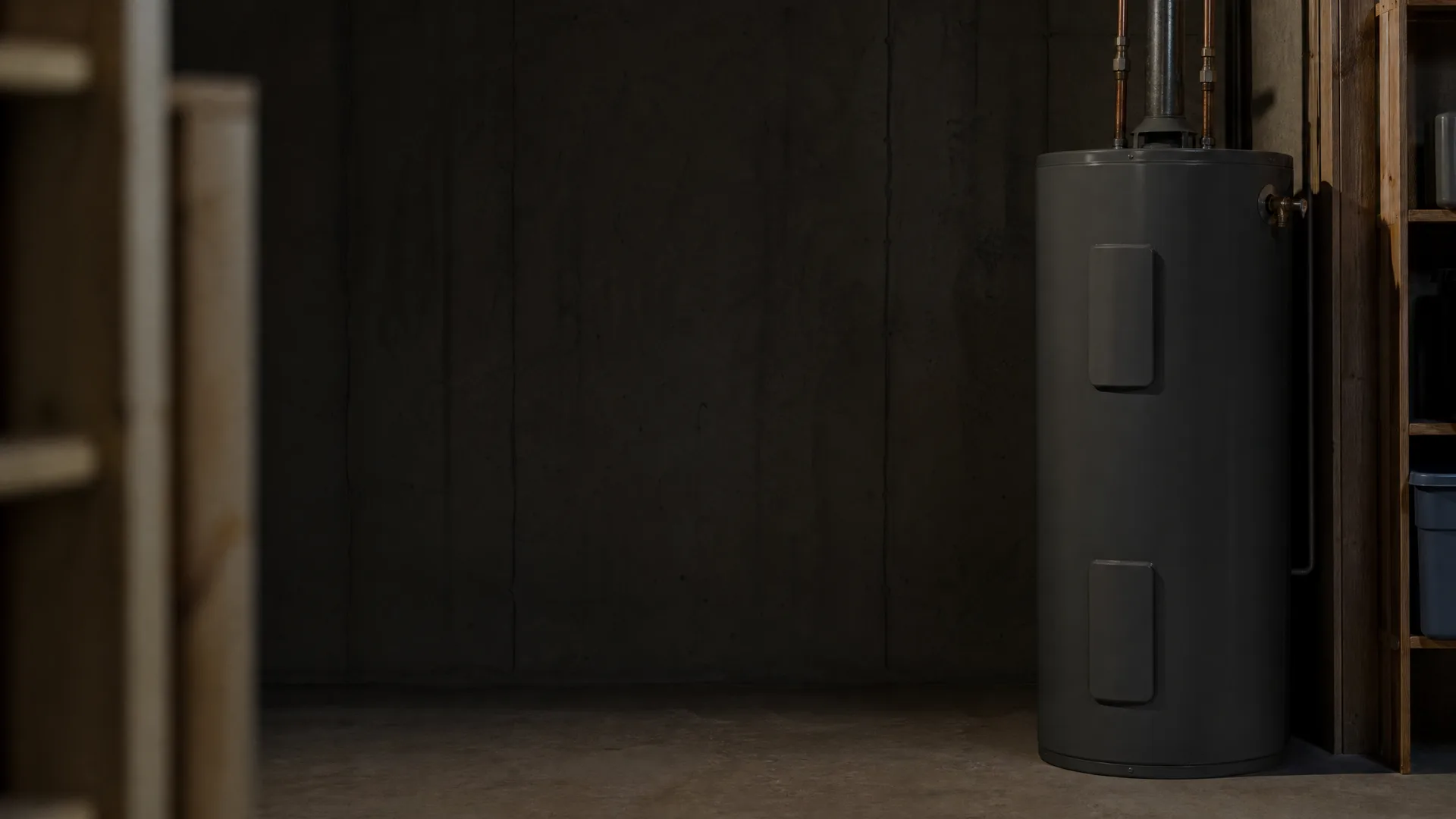
A dark gray cylindrical water heater with copper pipes at its top stands against a concrete basement wall, with wooden shelving and framing in the foreground at both edges.

It's off your list after this

Skip searching for a water heater pro and answer a few questions instead.

New system or replacementWater HeaterHawaii
Step 1 of 2

What ZIP code is the job in?