Runs all day, used or not
A tank keeps a full cylinder hot around the clock. If the house sits empty for a week, it's still heating water nobody touches, and you're still paying for it.

Tankless makes more sense for most homes in Hawaii. Electricity here costs more than almost anywhere else in the country, and a tank keeps a full cylinder of water hot around the clock whether anyone uses it or not. A tankless unit heats water only when you turn on a tap, so you aren't paying to keep 40 or 50 gallons warm all day. The mild climate also helps a tankless system work the way it's supposed to: incoming water isn't cold the way it is in northern states, so the unit doesn't have to work as hard to bring it up to temperature. A tank still has its place if you're replacing like for like or want the lower upfront cost, but if you're weighing both for the long run, tankless is the one that fits how homes here actually use power.




A tank cycles on to reheat the same standing water all day and night, even while the house is empty. That standby loss is pure electricity spent on water nobody is using.
With power costing what it does in Hawaii, that steady draw adds up faster than it would anywhere power is cheaper. Cutting it is where a tankless unit earns its keep.
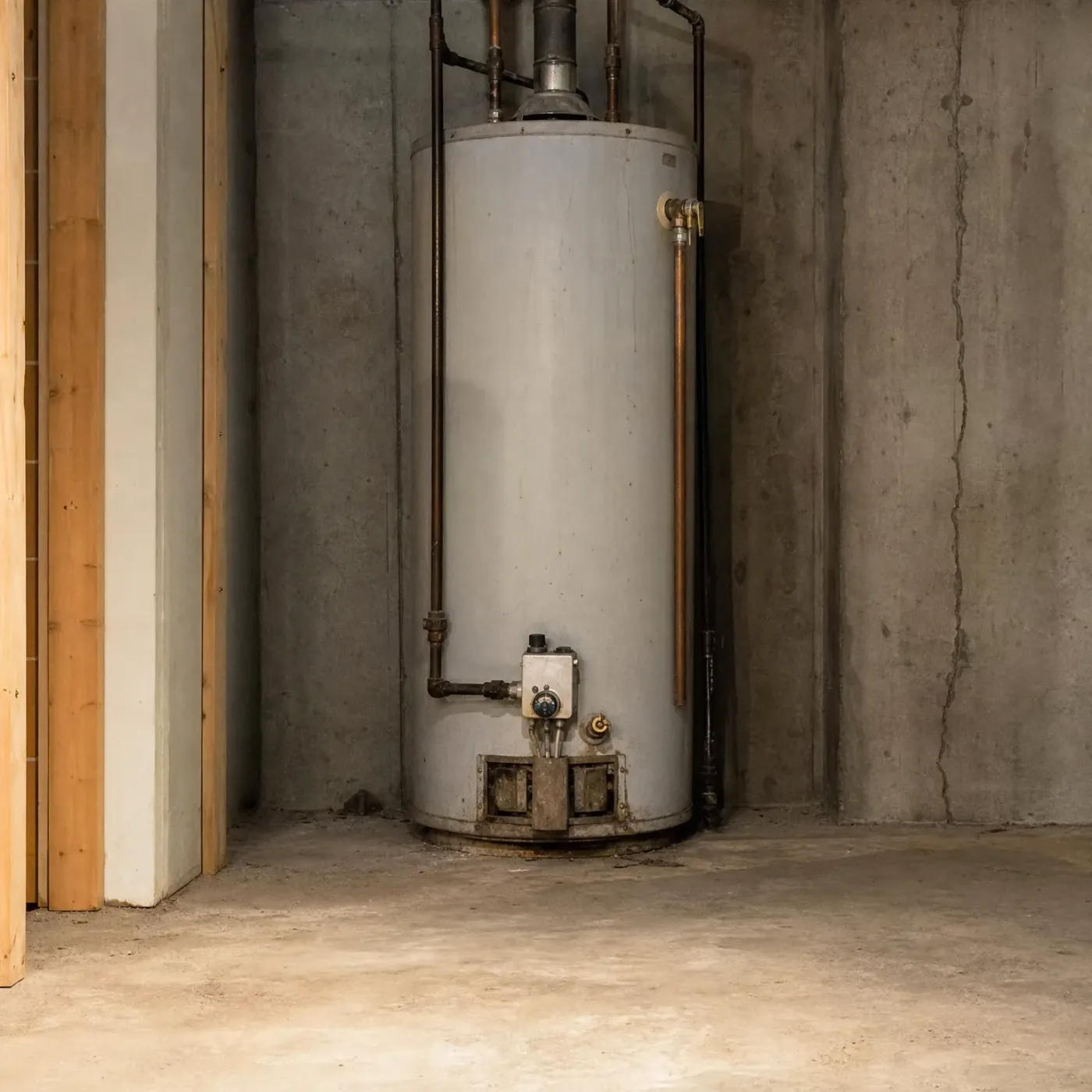
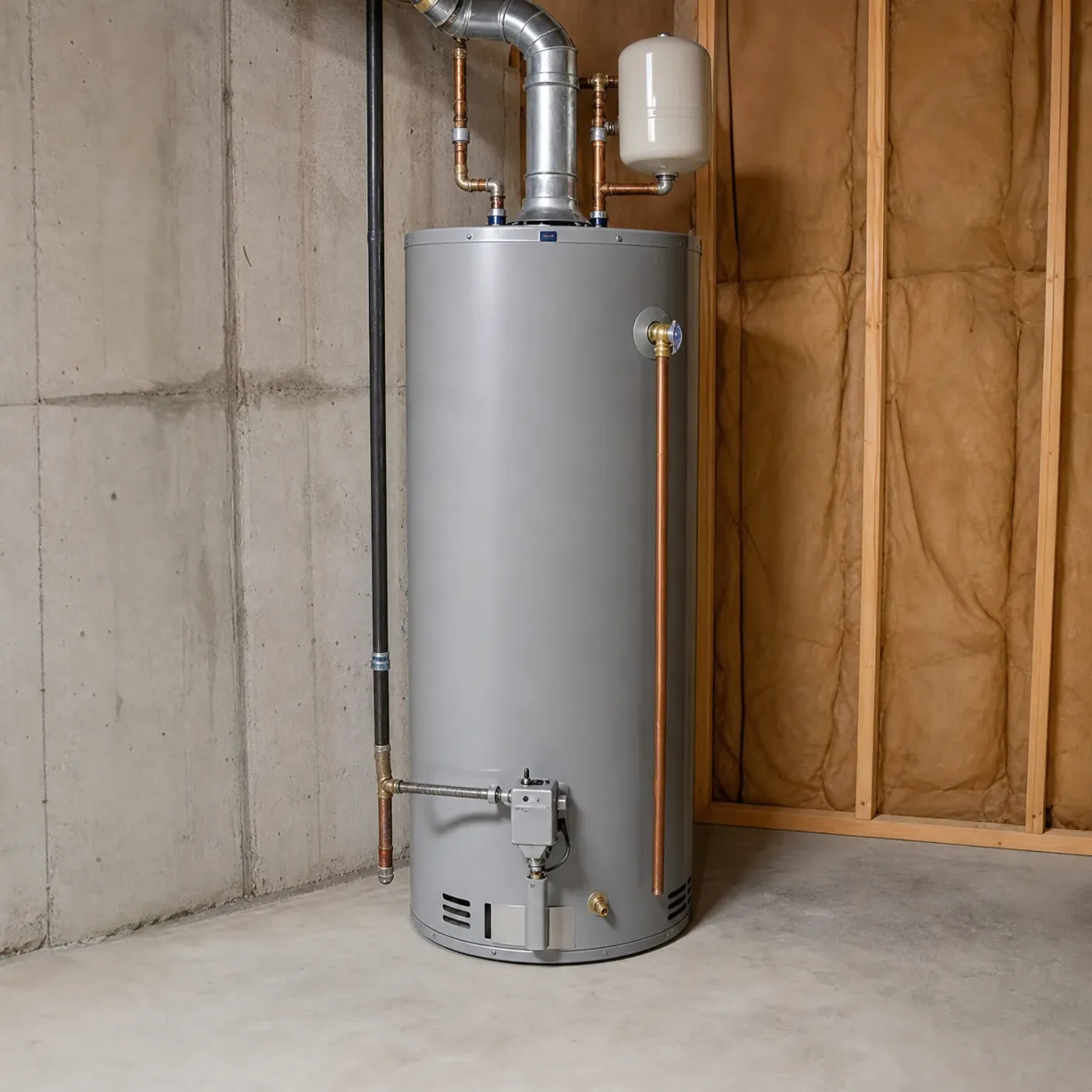
A tank keeps a full cylinder hot around the clock. If the house sits empty for a week, it's still heating water nobody touches, and you're still paying for it.
A tankless unit fires up when you turn on the tap and stops when you shut it off. No standing water, nothing heating while you're out.
Go look at your tank. If it's old enough to have come with the house, it's been cycling on and off all day every day, heating the same forty or fifty gallons whether anyone showers or not. You won't hear it, and you won't see it, but you'll feel it on the bill each month. A unit working harder than it needs to also wears out sooner, and a tank that fails can mean water on the floor before you notice. None of that is dramatic. It's just cost and wear that build up quietly in a house that's otherwise in good shape.
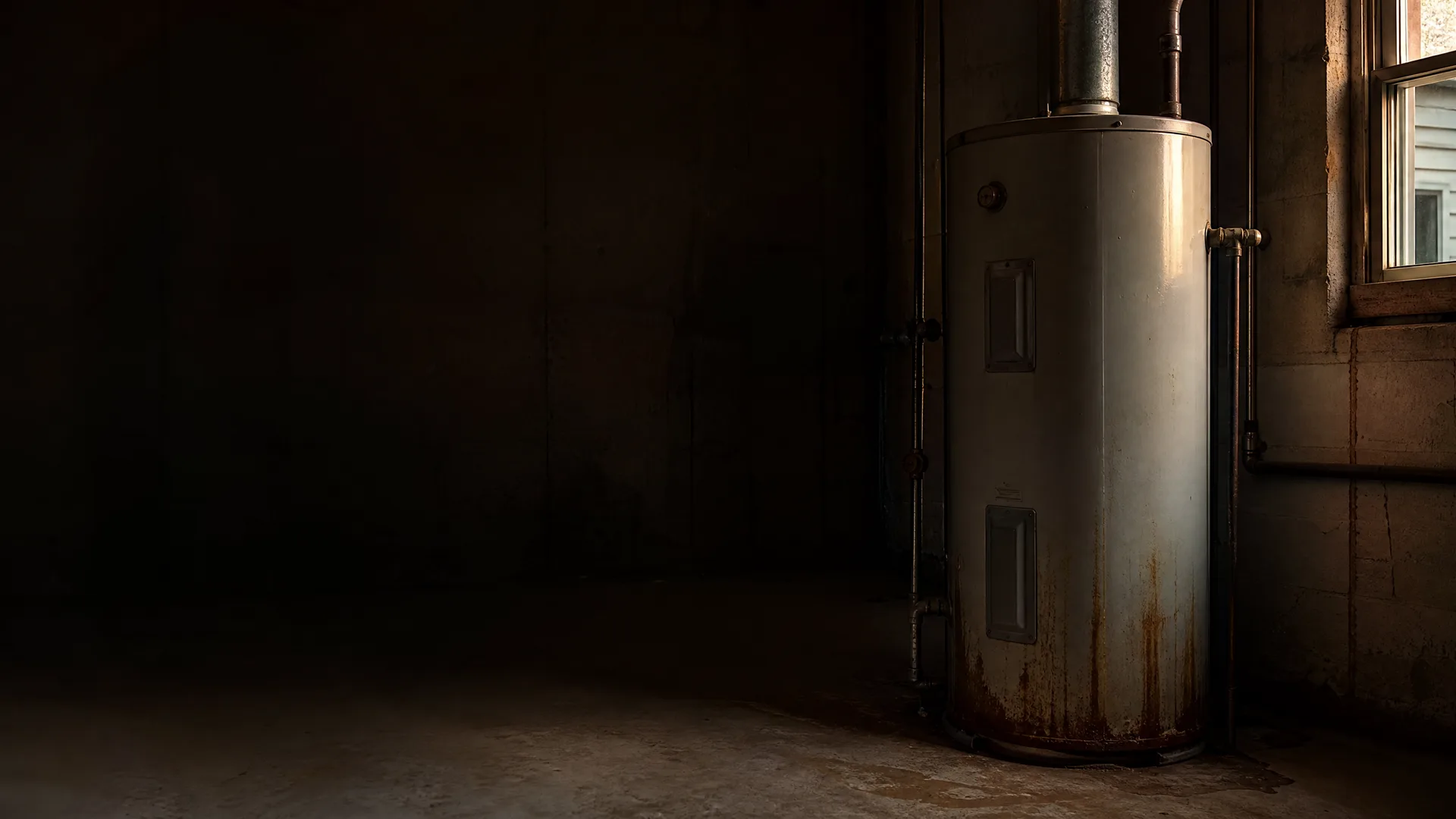
You go down to the utility room after dinner to grab a load of laundry. The tank sits in the corner, the way it always has. The evening's warm, the kind of muggy that doesn't let up even after the sun's down, and the room feels close. You see it this time: rust streaks running down from the base, dried in thin lines over the floor. You crouch and touch the seam near the bottom. Damp. You stand there a second, running through who you'd even call, how many of them, how long before someone shows up to look at it. Then you pick up the laundry basket and go back upstairs, meaning to deal with it tomorrow.
You already know what you pay for power in Hawaii, and you've probably wondered whether your water heater is part of the problem. Figuring that out on your own means calling a few contractors, explaining your setup each time, and sitting with quotes that don't quite match up to compare. A licensed installer who's worked on homes like yours can look at what you've got and tell you straight whether tankless makes sense for your situation, or whether another tank is the better call. Either way, the decision gets easier once someone who does this for a living is looking at it with you instead of you guessing from the utility room. Your water heater isn't going away as a cost. What's worth changing is whether you're the one still trying to work out the answer by yourself.
A tank costs less to put in, and that's worth something if you're not staying in the house long enough to make up the difference. It also keeps up with a full house better, since a shower and a dishwasher running at the same time can push a tankless unit past what it can deliver. If your gas or electric lines aren't set up for the size tankless unit you'd need, putting a tank in its place is the simpler job, not a rebuild.
If you're in the house for years, not just a season or two, the standby loss a tank racks up adds up to real money at Hawaii electric rates. A tankless unit also takes up a fraction of the space, which matters in a small utility closet. And it doesn't run out. A tank can leave you waiting on hot water after three people have showered. A tankless unit keeps delivering as long as the tap is open, which is worth something in a house that actually gets used.


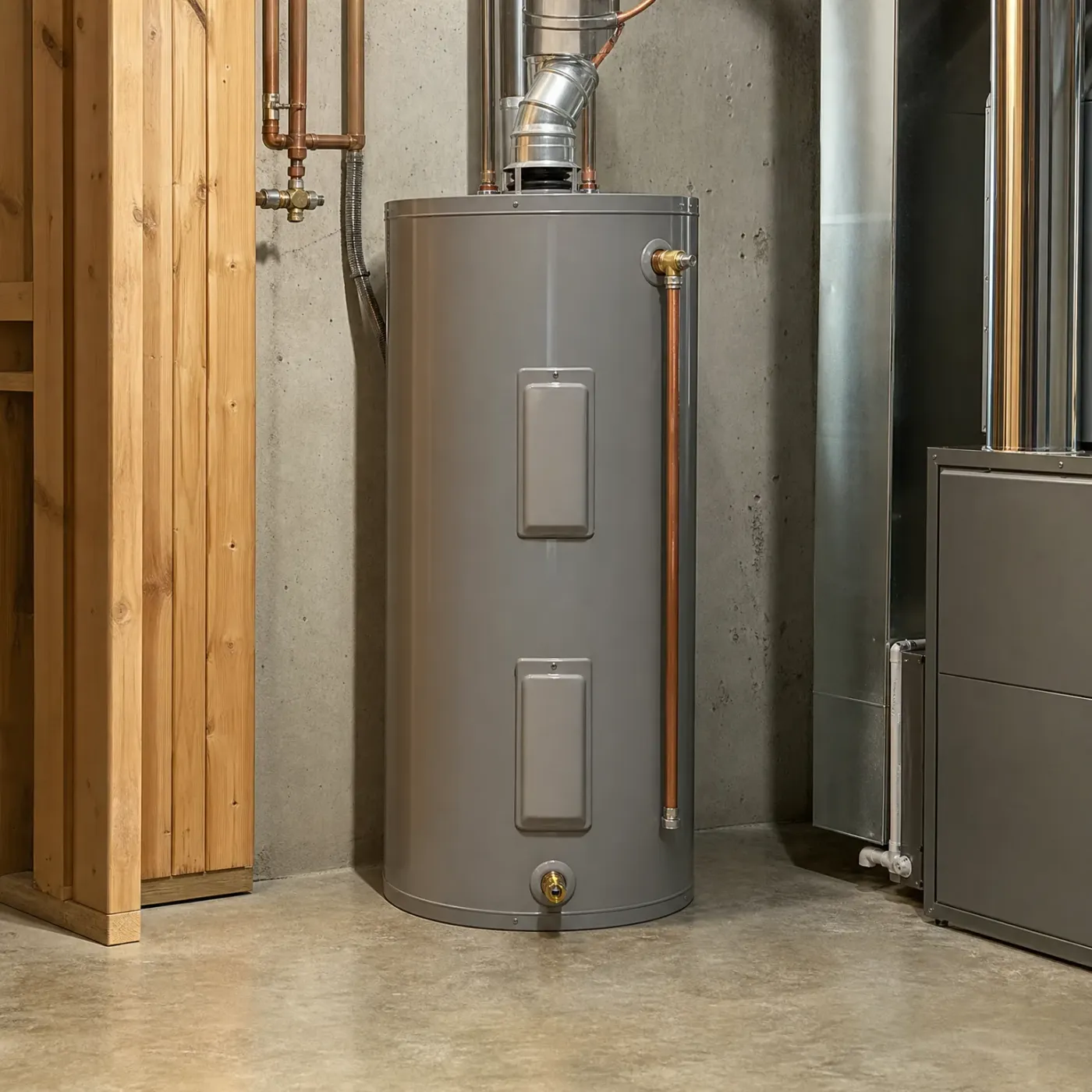
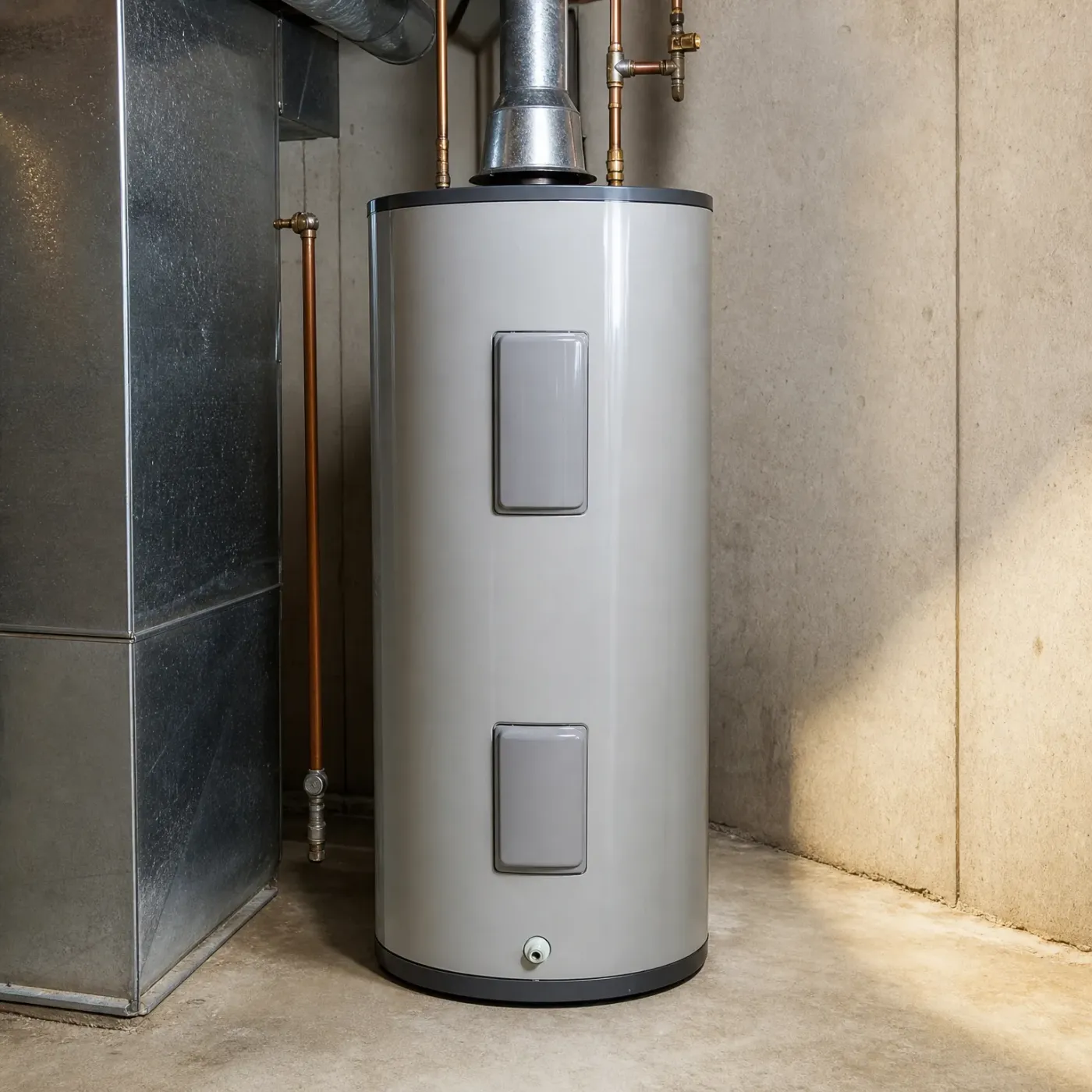
This is what a working tank looks like, a full cylinder plumbed in with copper lines and a pressure relief valve. It does its job, but it's heating that whole cylinder right now whether you need hot water this hour or not.
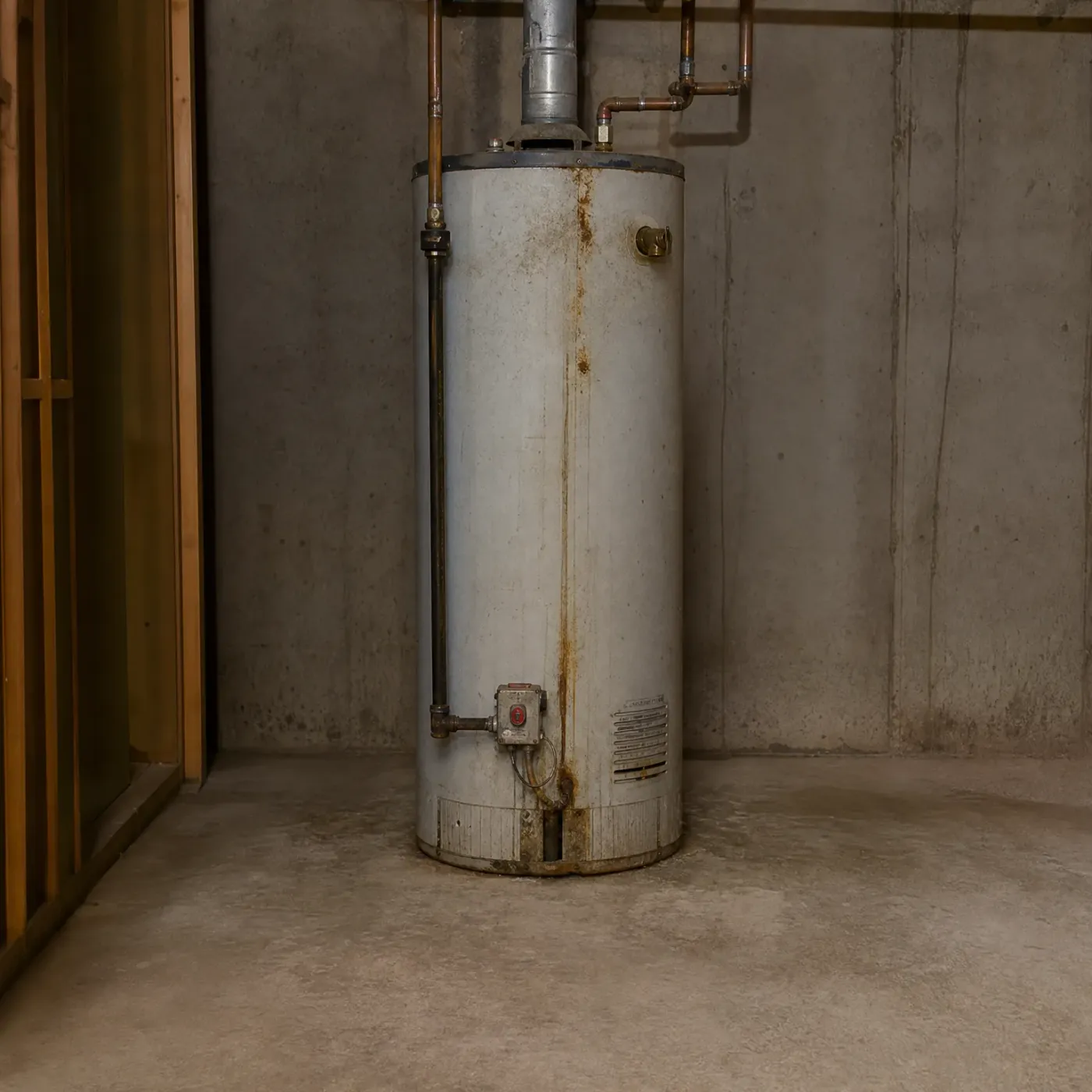
Rust like this on the jacket and fittings tells you the tank is near the end of its life, not just dirty. Once a water heater looks like this, the question isn't whether to replace it, it's whether to put in another tank or switch to tankless.
That 43.1% almost certainly includes you, since electricity is how most Hawaii homes keep hot water ready. It also means your water heater is running on the most expensive fuel in the house, so whether it's a tank or tankless changes what you pay every month, not just how it works.
ACS 2020-2024 5-year B25040
For most homes in Hawaii, tankless wins, because electricity costs more here than almost anywhere else and a tank spends a share of it heating water nobody's using. A tank still earns its place if you're not staying long, or if your house regularly needs hot water running at two or three fixtures at once. Either way, the installation itself looks the same from the outside, a unit plumbed into your home's water line. The difference shows up afterward, in what you pay every month to keep water hot.
What's harder to settle on your own is who does the installing. Left to it, you'd be calling contractors one at a time, describing your tank or the unit you want, answering the same questions about your utility room each time, then lining up quotes that don't use the same terms or cover the same work. That's the part that eats an afternoon, not the decision between tank and tankless.
You've got that decision now. You know what a tank costs you in standing heat, what tankless saves by only firing on demand, and which of those fits a house like yours. What's left is finding someone licensed to put it in, without doing the legwork of sorting through contractors yourself. That's the part that happens next.
Describe the project once instead of to every installer.
It costs nothing to send, and you don't have to hire anyone.