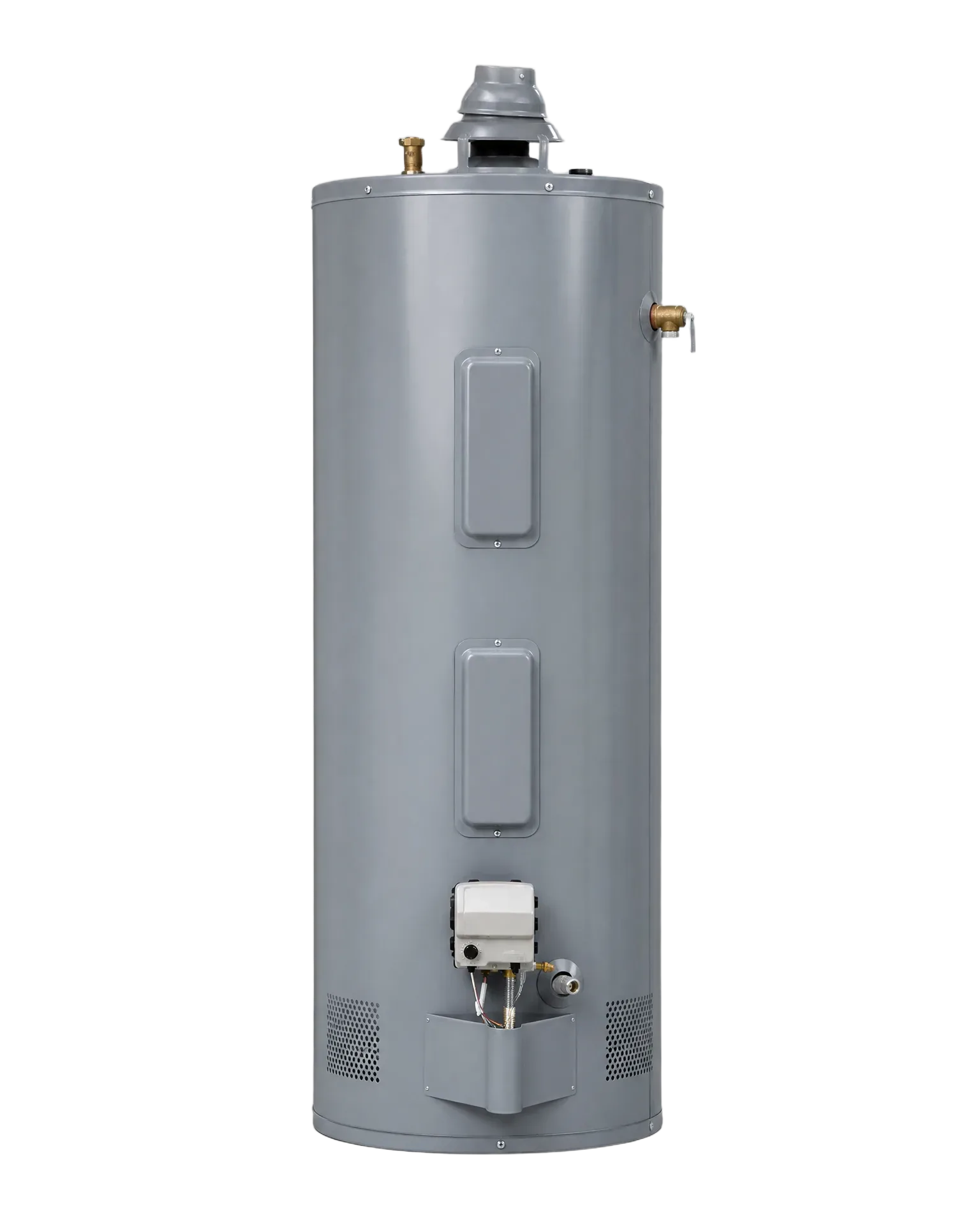
How often should I flush my water heater in Hawaii?
Your water heater runs quietly in a closet or garage and it's easy to forget it's there until the shower runs lukewarm. You've probably heard that flushing it once a year keeps it working, but you want to know if that's really true here, where the water and the electric rates are different from a mainland home.
Flush it once a year
Once a year is right for most homes in Hawaii. Sediment settles at the bottom of the tank over time, and that layer sits between the heating element and the water, making the unit work harder to bring water up to temperature. Since most homes here heat with electricity and power costs are among the highest in the country, that extra work shows up on the bill every month, not just once. An annual flush clears that layer out before it builds up enough to matter. If your water comes from a private well or catchment system, check with whoever services your tank, since mineral content varies more in those systems and can call for flushing twice a year instead.




Why does my water heater sound different lately
Hawaii's water tends to leave mineral deposits that settle at the bottom of the tank, and that sediment is what you're hearing. A tank that's gone unflushed starts to pop, rumble or tick as the burner or element heats through the buildup instead of clean water. You might notice the tank taking longer to deliver hot water, or the hot water running out faster than it used to. Some homeowners see rust colored water at first or after the tank sits unused for a day. Since most homes here heat electrically, that buildup sits right against the heating element, and the element works harder to push heat through it. Left alone long enough, that extra strain is what shortens a tank's working life and raises the electric bill for the same amount of hot water.


What flushing actually clears out
- Sediment settles at the bottom of the tank first, below the burner or lower heating element, before it ever reaches your taps.
- A gas water heater's burner has to work through that layer to heat the water above it, which is what causes the popping sound.
- In an electric water heater, the lower element can end up buried in sediment, and that buildup is what makes it tick or rumble.
- Flushing means draining the tank fully from the drain valve near the bottom, not just running a faucet upstairs for a minute.
- Sediment that hardens enough can keep the lower element from reading the water temperature correctly, so the thermostat runs longer than it should.
- A tank flushed on a schedule drains clear or close to it, while one that's gone a long stretch often drains gray or gritty first.
Most water heaters in Hawaii run on electricity, and the tank works the same way no matter what's heating it. Water comes in, sits in the tank, and whatever minerals are in it settle to the bottom over time. That layer builds low, underneath the lower heating element, long before it affects anything coming out of your faucets. If you've got a gas unit, the burner sits under the tank and has to push heat up through that sediment layer, which is what makes it pop or rumble as the water underneath boils through the buildup. Electric units heat differently, with the lower element sitting inside the tank itself, so when sediment piles up around it, the element ends up partly buried. That's the ticking or rumbling you're hearing. It's not air in the line or a part failing. It's mineral buildup getting in the way of the element doing its job, and the element working harder, longer, to read the water around it correctly. Draining the tank fully through the valve near the bottom is what gets that layer out. Running water from a faucet upstairs doesn't touch it, since that water never passes through the bottom of the tank. A tank that's flushed regularly drains out looking close to clear. One that's gone a year or more between flushes usually drains gray, sometimes gritty, before it runs clean.


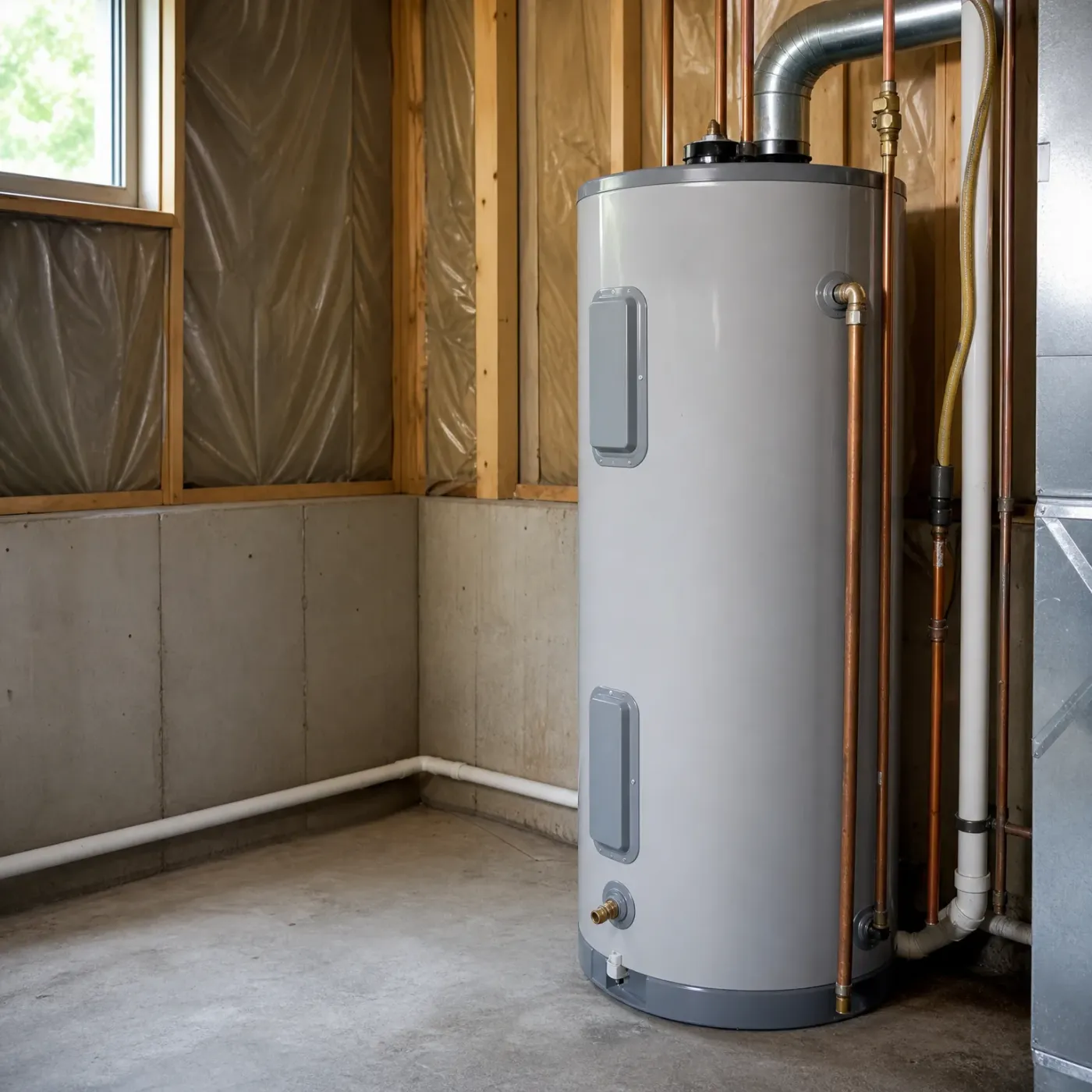
A local pro for your water heater maintenance
Send the form, and lining up the water heater tune-up stops being yours to chase.
A local pro who knows water heaters gets your details and gets in touch.
It costs nothing to send, and you don't have to hire anyone.
Flush Yearly or Skip It
Flush it yearly
- Sediment stays thin enough that the burner or lower element still heats water without pushing through a packed layer.
- Water heats on the first call instead of cycling longer to get through buildup at the bottom of the tank.
- The tank holds its full gallon rating since sediment hasn't eaten into the space meant for water.
- A contractor doing the flush can spot a failing anode rod or a slow leak before either becomes a bigger repair.
- Electricity costs stay closer to what the unit is rated for, which matters with Hawaii's rates.
Skip it for years
- Sediment hardens into a layer that insulates the burner or element from the water above it.
- The unit runs longer to reach the same temperature, and that extra runtime shows up on the power bill.
- Popping, rumbling or ticking sounds start as heat pushes through trapped water under the sediment.
- A gas burner can scorch the tank bottom working through buildup, and an electric element can burn out early.
- Tank capacity shrinks as sediment takes up space, so hot water runs out sooner than it used to.
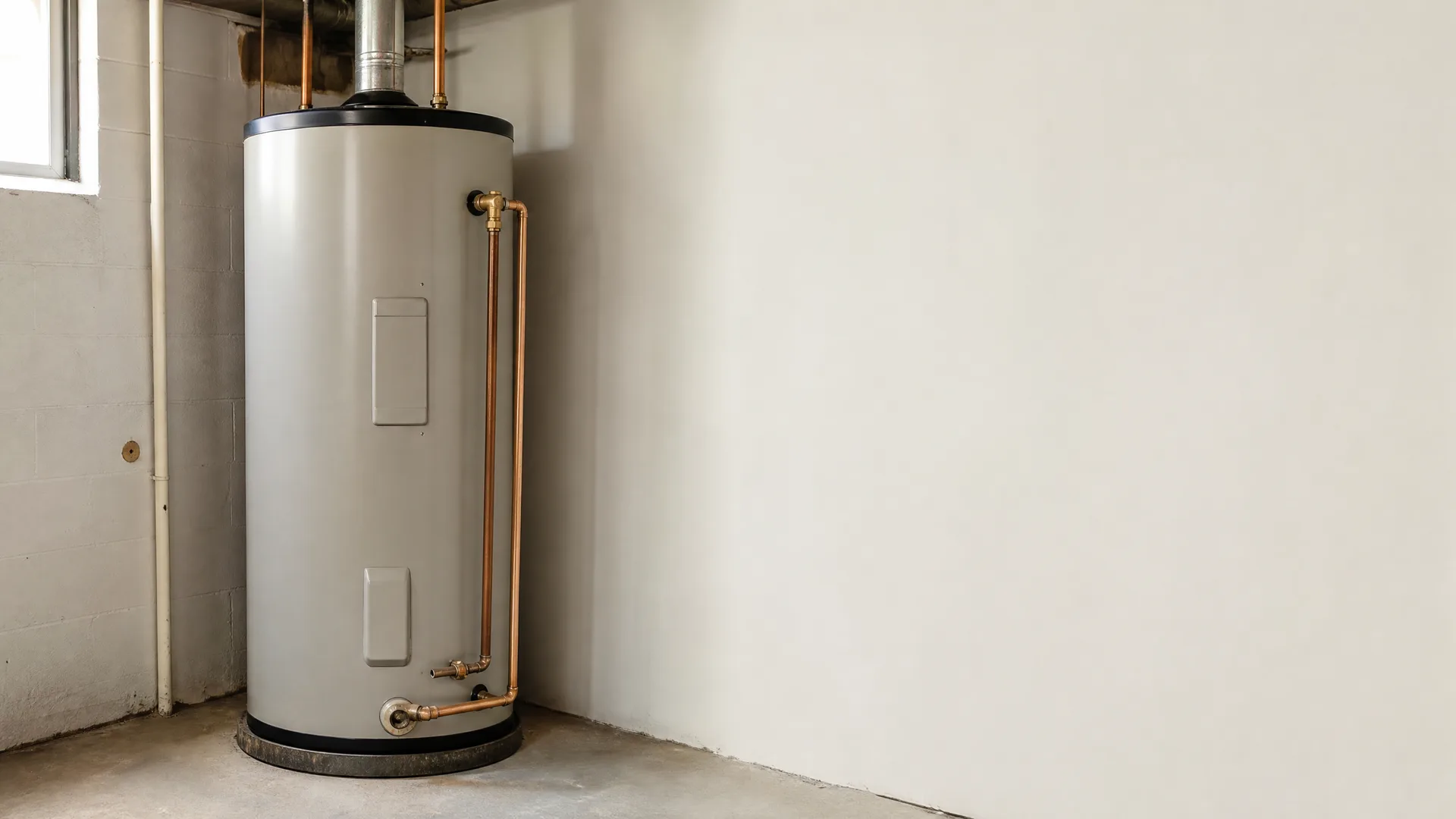
Why electric tanks hide buildup
Most homes here heat water with electricity, and an electric tank doesn't pop the same way a gas one does. The lower element sits inside the sediment instead of heating it from underneath, so it burns through buildup instead of under it. That's harder on the element, and it can fail or crack the glass lining before you hear any warning sound. A quiet tank isn't a clean tank. If you've never had it flushed, the sediment is there whether you hear it or not.
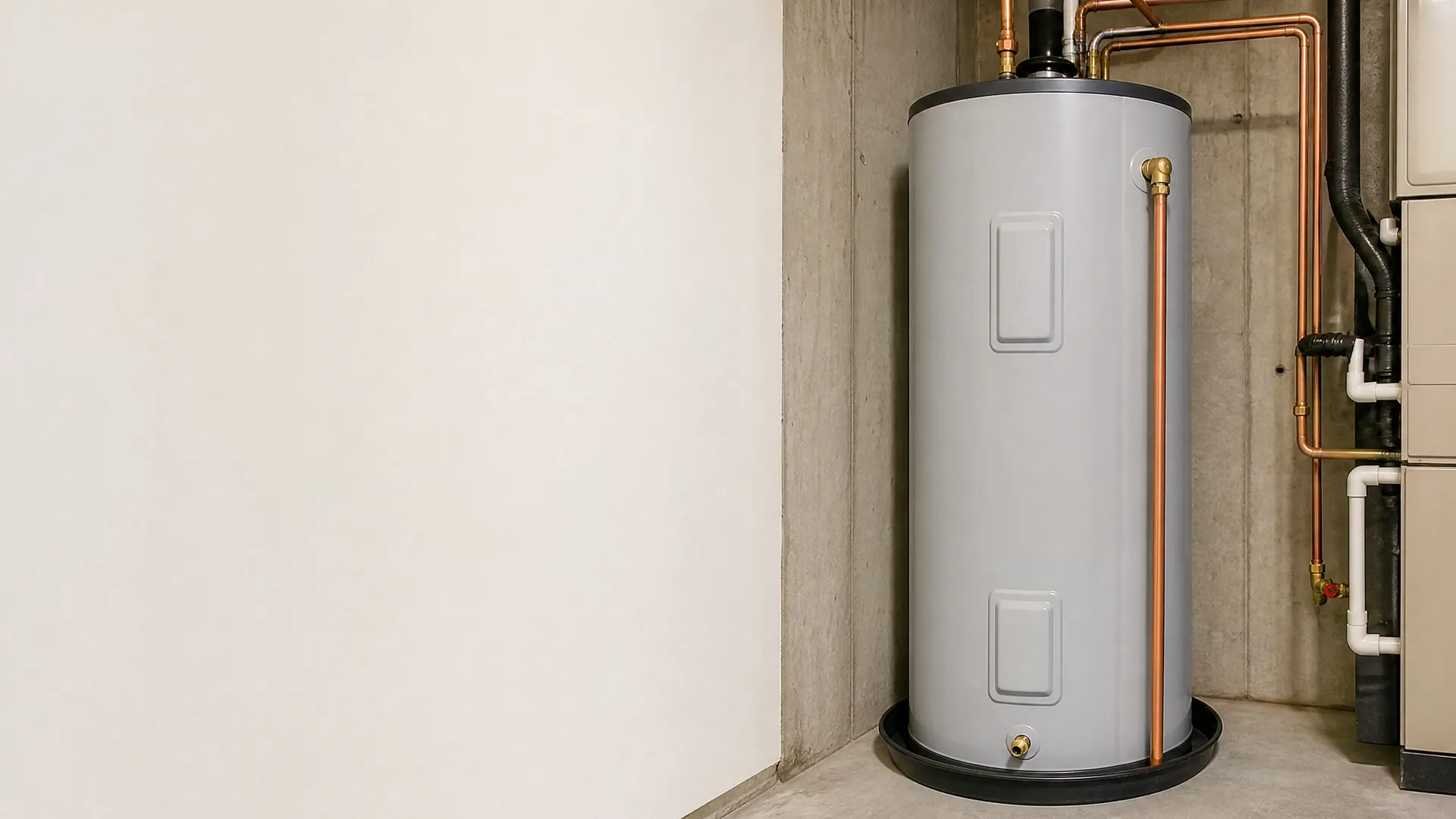
What a flush actually clears
Flushing means draining the tank fully so the sediment sitting at the bottom washes out with the water, not just running a cup off the drain valve. A valve clogged with sediment can slow to a trickle or stop draining partway through, which is itself a sign the tank has gone too long between flushes. A contractor can tell from how the water runs out, cloudy and gritty versus clear, how much has built up and whether the valve itself needs attention too.
43.1% of homes statewide heat with electricity
With most homes here running electric, your water heater likely has a lower element sitting right down in the tank instead of a burner underneath it. Sediment packs in around that element and makes it work harder to heat the same water, which shows up as a slower recovery and a higher bill before anything sounds wrong.
ACS 2020-2024 5-year B25040
A yearly flush is the answer, and with Hawaii's water that's not a number to stretch. Skip it and sediment keeps packing in around that lower element, and the power it takes to push through that layer adds up on a bill that's already high. Flush it on schedule and the tank heats the way it did when it was new, without the popping or the long wait for hot water. You don't have to track down who does this well or figure out the right questions to ask. Send the form and that part is handled for you. The search for a contractor stops being something you have to manage, and you can go back to not thinking about the water heater at all, which is exactly how it should be until the next flush comes due.
Get the right pro for your water heater
One request and the search for a pro is handled.