
HVAC Installation in Honolulu, HI
Tell us about the house, and a licensed contractor who covers Honolulu County will get in touch.
Tell us about the job
It takes about a minute.

In Honolulu, the system runs every month of the year
Winter nights average 66°F here, and summer afternoons average 85°F. There is no month cold enough to need a furnace, and no month cool enough to give the cooling system a rest. Whatever you install will run in all twelve months, which is a different job than a system built to carry a house through a hard winter and rest the other half of the year.
Most of what runs here is the cooling side, day in and day out, all year. Power is worth planning around too. Hawaii saw 14% of households go at least 24 hours without power in 2024, and the islands recorded 58 damaging wind events over the last ten years.
- 66°F
- the average winter night it heats against
- 85°F
- the average summer afternoon it cools against
Hawaii requires HVAC contractors to hold a state license.
The Contractors License Board tests and licenses the contractor, and that license belongs to the business, not to this one job. Work under $1,000 does not need a licensed contractor, but installing a heating and cooling system runs well past that. The contractor doing this job needs to hold the license.
In most cities and counties, an install like this also needs a permit from the local building office, with an inspection once the work is done. That permit and inspection are separate from the state license, and they cover the installation itself, not the contractor's standing.
Source: Hawaii Department of Commerce and Consumer Affairs
- When should I replace my HVAC system?
- Replace it when repairs start happening every year, when the unit is old enough that parts are getting hard to find, or when it can't keep the house cool anymore. In Honolulu that last point matters more than the others, since homes here run cooling all year and a system that's struggling has nowhere to rest and catch up. Rising energy bills with no other explanation are another sign the equipment is working harder than it should. A contractor can tell you whether what you're seeing is a single failing part or the system reaching the end of its life.
- Should I replace my furnace and air conditioner at the same time?
- In Honolulu this usually isn't a real question, because most homes here don't have a furnace at all. Homes in this climate need cooling twelve months a year and effectively no heat, so many houses run on an air conditioner or heat pump alone. If your home does have a furnace paired with the air conditioner, a contractor can look at both and tell you whether one is close enough to failing that it makes sense to handle them together.
- What happens during an HVAC installation?
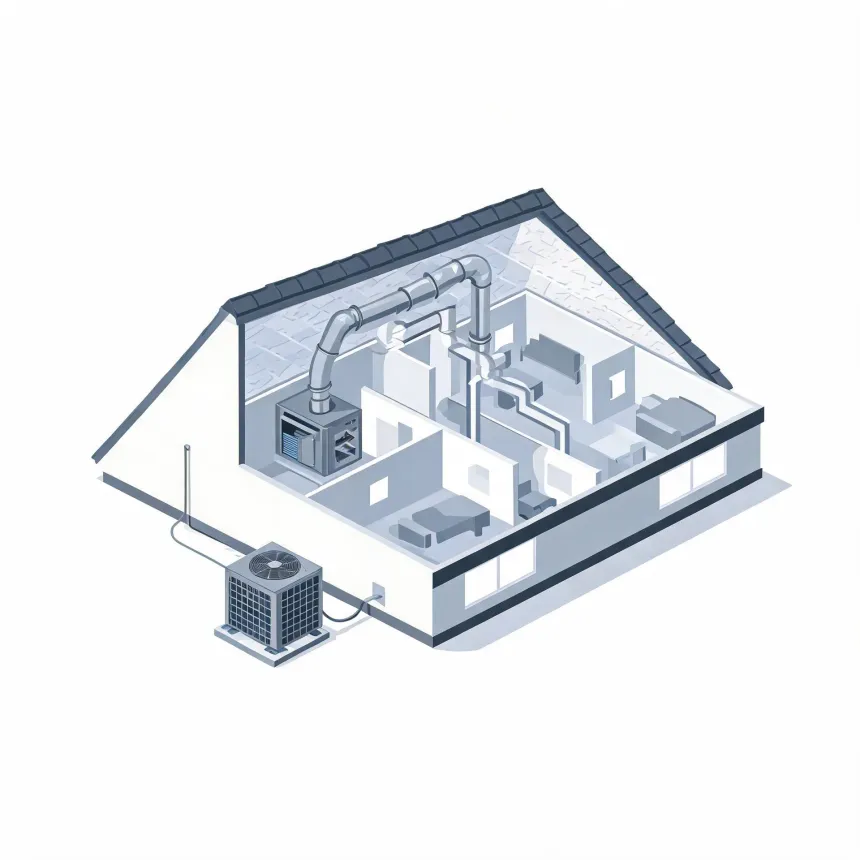
- A contractor removes the old equipment, sets the new unit, and connects it to the ductwork, wiring, and refrigerant lines. They'll check that the ducts are sized right for the new system and seal any connections that need it. Once it's running, they test it to make sure it's cooling properly and cycling the way it should. In Honolulu, this job needs a permit from the local building office along with an inspection once the work is finished, so plan for that as part of the process.